
Market Value vs Asking Price: What Buyers and Sellers Need to Know

A home can be listed for $425,000 and still be “worth” $400,000, $425,000, or even $450,000 depending on the market, the property, and what buyers are willing to pay. That gap between market value and asking price is where many real estate decisions get made.
Understanding the difference can help buyers write stronger offers and help sellers avoid pricing mistakes that cost time or money. This article is informational only and should not be treated as financial, legal, or appraisal advice.

Market value is what a property is likely to sell for
Market value is the estimated price a property would likely sell for in an open and fair market. It assumes the buyer and seller are both informed, neither is under unusual pressure, and the home has had reasonable exposure to buyers.
In real estate, market value is usually supported by evidence such as:
Recent sales of similar homes nearby
Current buyer demand
Mortgage rates and financing conditions
Property size, age, layout, and condition
Location, including schools, commute access, and nearby amenities
Appraisers often use comparable sales, commonly called “comps,” to support an opinion of value. Lenders rely on appraisals because the home serves as collateral for the mortgage. If a buyer offers $500,000 but the appraisal comes in at $475,000, the lender may base the loan on the lower figure.
Market value is not fixed forever. It changes as new sales close, inventory rises or falls, interest rates shift, and buyer preferences change.
Asking price is the seller’s starting point
Asking price is the price a seller chooses when listing the property for sale. It is public, negotiable, and strategic. It may match market value, sit above it, or come in below it to attract attention.
A seller might set the asking price based on:
A comparative market analysis from a real estate agent
A recent appraisal
The amount needed to pay off a mortgage
The price of a future home purchase
Emotional attachment to the property
Advice from friends, neighbors, or online estimates
The asking price matters because it shapes buyer expectations. A well-supported price can bring serious interest early. A price that is too high may cause the listing to sit, which can make buyers wonder if something is wrong with the property.
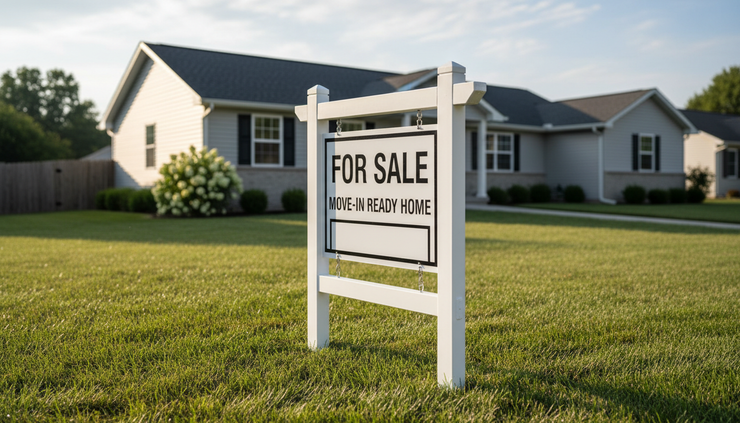
How market conditions can pull value and price apart
Market conditions often explain why market value and asking price differ.
In a seller’s market, there are more buyers than available homes. Inventory is low, competition is high, and buyers may offer above asking price to win. For example, a home listed at $375,000 might receive several offers and sell for $395,000 if buyers believe similar homes are scarce.
In a buyer’s market, inventory is higher and buyers have more choices. A home listed at $375,000 may sell for $355,000 if similar homes are sitting longer or offering price cuts.
In a more balanced market, asking price and market value tend to stay closer together. Homes priced near recent comparable sales may sell with modest negotiation rather than large swings.
Mortgage rates also matter. When rates rise, monthly payments increase, which can reduce what many buyers can afford. That can put pressure on market value even if sellers still prefer last year’s higher prices.
What influences the asking price
Sellers do not choose asking price in a vacuum. Several practical factors shape the number.
Property condition affects buyer confidence
Condition is one of the clearest pricing drivers. A well-maintained home with updated systems, a clean roof, and a functional layout can support a stronger asking price than a similar home needing major repairs.
Cosmetic updates help, but buyers often care more about expensive items such as HVAC, plumbing, electrical, windows, and foundation issues. A dated kitchen may invite negotiation. A failing roof can limit financing options and shrink the buyer pool.
Location can change value street by street
Location affects both asking price and market value. Homes near good commute routes, parks, restaurants, or highly rated schools often command higher prices. By contrast, homes near heavy traffic, industrial uses, or flood-prone areas may need more careful pricing.
Even within the same zip code, two similar homes can have different values. One may sit on a quiet cul-de-sac. Another may back up to a busy road. Buyers notice those differences.

Timing and motivation play a role
Some sellers price high because they are not in a hurry. Others price closer to market value because they need to sell quickly for a move, job change, or estate settlement.
Seasonality can also affect asking price. In many U.S. markets, spring brings more listings and more buyer activity. Slower seasons may require sharper pricing, especially for homes with unusual layouts or needed repairs.
Why buyers and sellers should care about the gap
For buyers, the gap between asking price and market value helps guide offers. A high asking price does not always mean the home is overpriced, but it should be tested against recent comparable sales. A low asking price may signal a bidding strategy, a property issue, or a seller who wants a quick sale.
For sellers, the gap affects time on market and negotiating power. Pricing too high can lead to price reductions. Pricing too low can create attention, but it also carries risk if demand is weaker than expected.
The best pricing conversations rely on evidence, not guesses. Recent closed sales, pending sales, competing listings, and property condition all matter.
If you are weighing a list price, offer strategy, or home value question, contact Jayme Leftridge for real estate guidance.

FAQ
Is market value the same as appraised value?
Not always. Market value is the likely selling price in the open market. Appraised value is a licensed appraiser’s opinion, often prepared for a lender. They can be close, but they are not guaranteed to match.
Can a home sell above market value?
A home can sell above recent comparable sales if demand is strong, inventory is low, or buyers compete. After the sale closes, that price may become part of the new market evidence.
Should sellers always price at market value?
Not always. Some price slightly below market value to attract more offers. Others price at the top of the supported range. The right choice depends on local competition, timing, and property condition.
What happens if the appraisal is lower than the offer?
The buyer and seller may renegotiate, the buyer may bring more cash, or the deal may fall through if the contract and financing terms allow it.
The main takeaway
Asking price is the number a seller puts on the listing. Market value is what the evidence suggests buyers are likely to pay. When those numbers line up, transactions tend to move more smoothly. When they do not, buyers and sellers need clear data, realistic expectations, and a plan for negotiation.


Comments